6 Pests That Are Repelled by Lemongrass (and the Best Ways to Use It)

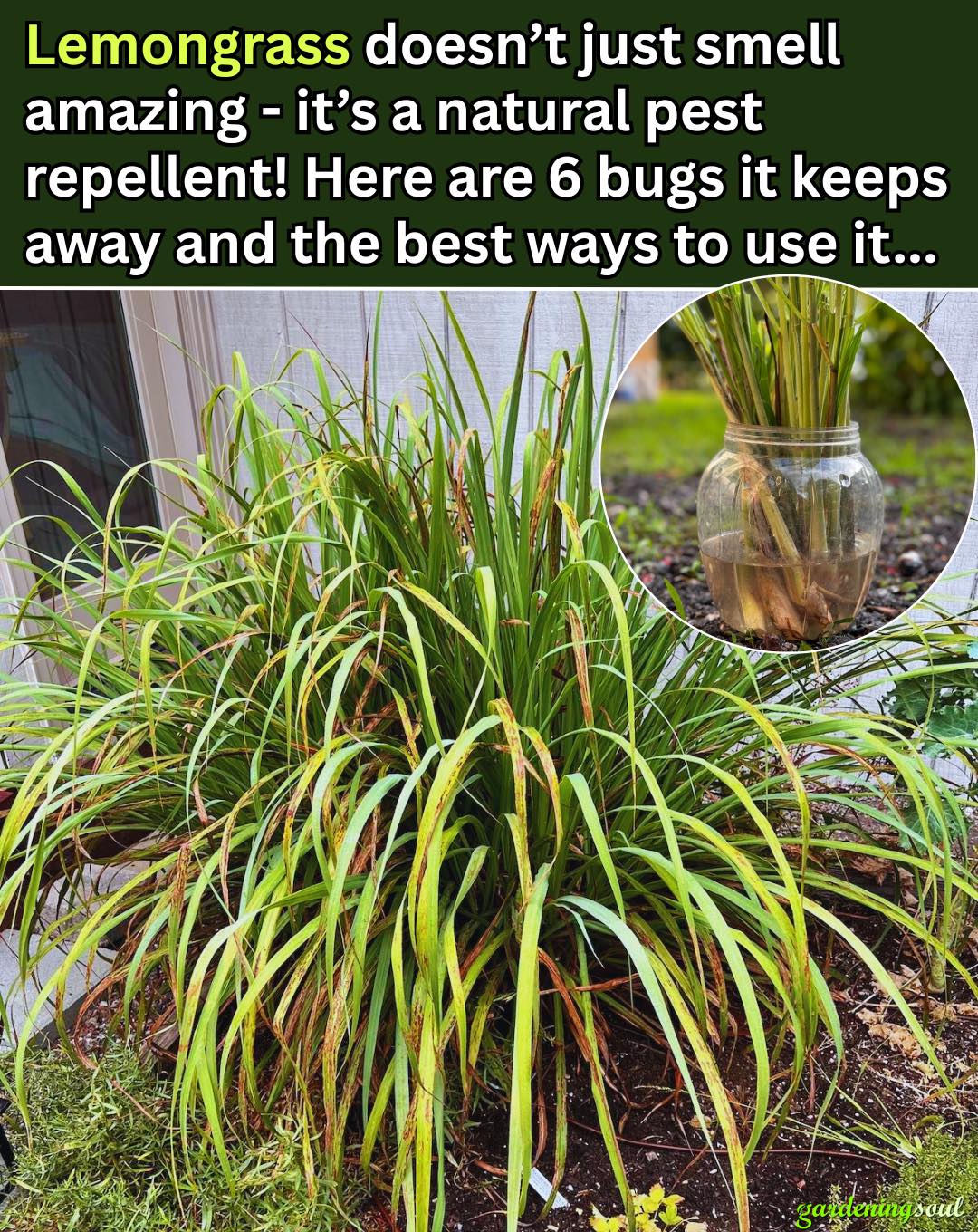
Other Garden Pests That Dislike Lemongrass
While the six pests above are the most affected, lemongrass can also help deter:
- Aphids: Repelled by the strong citrus aroma
- Spider mites: Sensitive to essential oils in lemongrass
- Fungus gnats: Avoid damp soil near lemongrass roots
- Termites: Dislike the smell and chemical compounds of lemongrass oil
Using lemongrass as a companion plant in your vegetable or flower garden can create a protective barrier against a variety of insects – without harming the soil or beneficial species.
How to Grow Lemongrass for Pest Control
Even if you’re new to gardening, lemongrass is easy to grow and maintain – and it thrives in containers or garden beds.
Growing Requirements:
- Sun: Full sun (at least 6–8 hours daily)
- Soil: Well-draining, rich in organic matter
- Water: Keep soil moist but not soggy
- Temperature: Prefers warm climates (Zones 9–11), but can be grown in pots and overwintered indoors in cooler regions
How to Plant:
- Start from a nursery plant or rooted stalk.
- Plant in spring once frost has passed.
- Space plants 24 inches apart for full growth.
- Fertilize monthly with compost tea or organic fertilizer.
Overwintering:
If you live in a cold climate, cut back lemongrass before frost and move pots indoors near a sunny window. It will regrow beautifully in spring.
Safety Tips When Using Lemongrass
- Essential oils are concentrated: Always dilute with water or a carrier oil before applying to skin or plants.
- Avoid overuse on plants: Too much lemongrass oil can harm delicate leaves.
- Patch test on skin: To ensure no sensitivity or irritation.
- Keep away from pets’ eyes and noses: While generally safe, essential oils can be irritating if used in excess.
Environmental Benefits of Using Lemongrass for Pest Control
Beyond keeping pests away, lemongrass offers major environmental advantages:
- Chemical-free pest control: Replaces synthetic sprays that harm pollinators and contaminate soil.
- Improves garden biodiversity: Attracts beneficial insects while deterring harmful ones.
- Reduces waste: You can use lemongrass leaves, stems, and oil – nothing goes to waste.
- Air purifier: The plant’s aroma naturally freshens your outdoor space and reduces mold and bacteria in humid climates.
It’s one of those rare plants that’s as useful as it is beautiful.
Whether you’re protecting your garden, home, or outdoor living space, lemongrass is one of the most effective and eco-friendly pest repellents nature offers.
For Complete Cooking STEPS Please Head On Over To Next Page Or Open button (>) and don’t forget to SHARE with your Facebook friends.


