9 Early Signs of Stroke Appearing a Week Before: What Seniors Must Notice

9. Sudden Weakness or Numbness in One Side
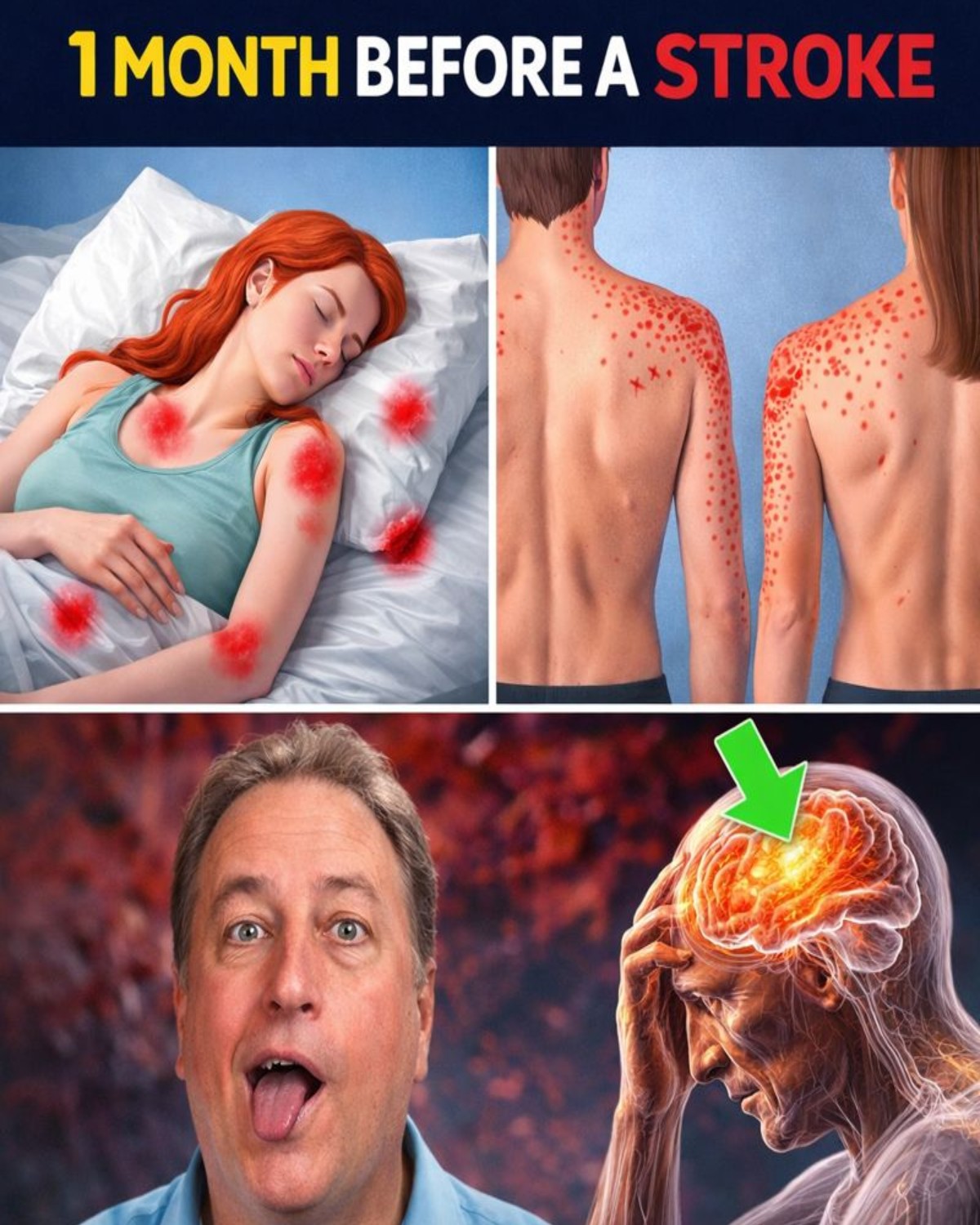
Frank first felt a faint heaviness in his left hand while buttoning his shirt. It felt like mild clumsiness—nothing alarming. But one-sided weakness can sometimes be an early sign the brain isn’t getting enough blood flow. It might feel like your arm is “asleep” without reason.
If you’ve ever wondered, “Why does this keep happening?”, keep watching—sign #8 connects the dots.
8. Brief Episodes of Confusion or Mental Fog
Linda, 72, noticed she was mixing up simple tasks. She knew what she wanted to say, yet the words felt tangled. Short mental fog moments can happen for many reasons, but when they appear suddenly, they may be worth attention.
Your brain loves consistency, so sudden changes can be meaningful. And the next sign is one you may recognize but often overlook.
7. Trouble Speaking Clearly
Imagine opening your mouth and hearing your voice sound slightly different—slurred or slow even though you feel normal. Some describe it as “thick tongue speech.” It may last seconds and disappear before you think twice.
Many people chalk it up to fatigue, but pattern recognition matters. And the next one might surprise you.
6. Sudden Vision Changes
If vision suddenly blurs, dims, or doubles, even for a few moments, seniors often assume it’s aging eyes. But abrupt vision disruptions may signal temporary blood flow issues. One man described it as “a shade pulled halfway down my sight” lasting only seconds.
But that’s not the only sense that may shift before a major event.
5. Dizziness or Loss of Balance
Feeling “tilted,” stumbling slightly, or having sudden dizziness can appear a week before more intense symptoms. It might feel like the room moves for a moment. Seniors often blame dehydration or standing too fast—but abrupt imbalance can be meaningful.
Yet there’s another sensation many seniors experience but don’t associate with brain health.
4. Sudden Severe Headache Unlike Usual
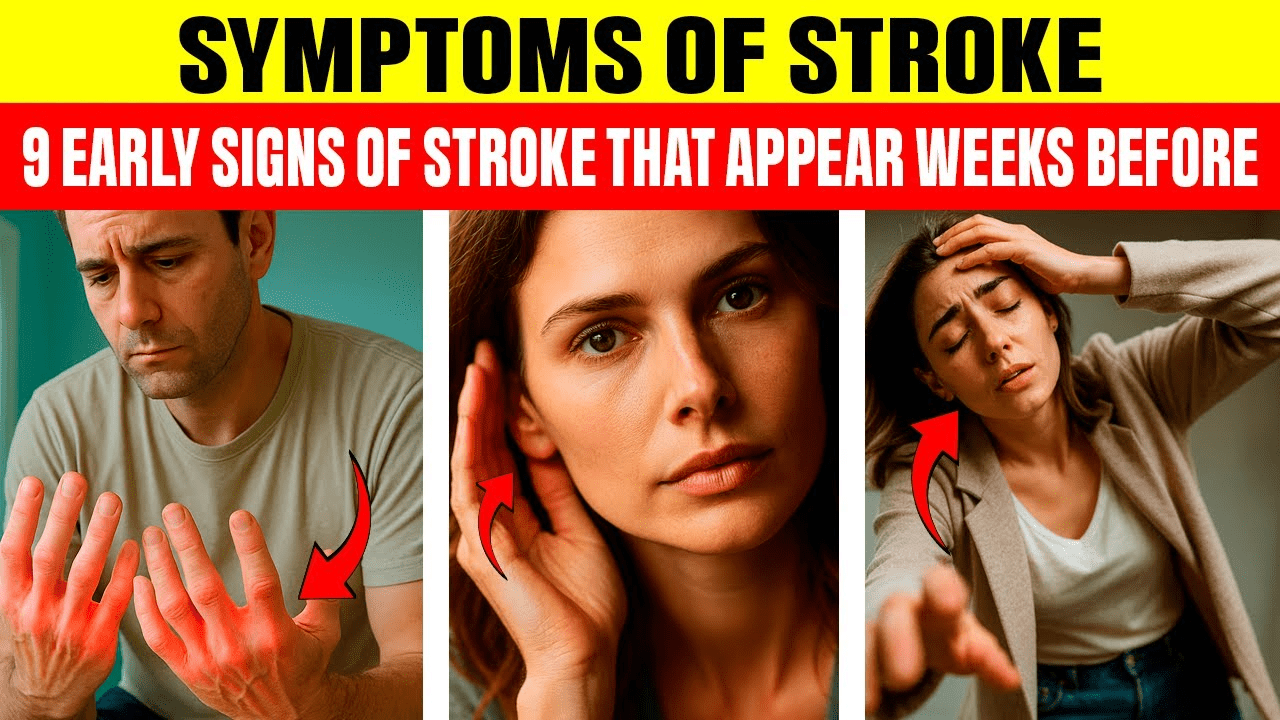
Some describe it as a sharp, unusual pain that comes quickly and leaves just as fast. It may feel different from routine headaches—more intense, more abrupt, or oddly located.
If your brain is sending a new type of discomfort, paying attention helps you stay ahead. But the next sign is one of the most frequently dismissed.
For Complete Cooking STEPS Please Head On Over To Next Page Or Open button (>) and don’t forget to SHARE with your Facebook friends.
For Complete Cooking STEPS Please Head On Over To Next Page Or Open button (>) and don’t forget to SHARE with your Facebook friends.

What Happens To Your Body When You Eat 3 Cloves Every Day

cheesy beef puff pastry pockets

THE MAN WHO SENT AN INVOICE FOR LOVE

Epstein Exchanged Emails With Former Lawyer For Barack Obama
Drink Water the Right Way for 7 Days and Watch Your Health Transform