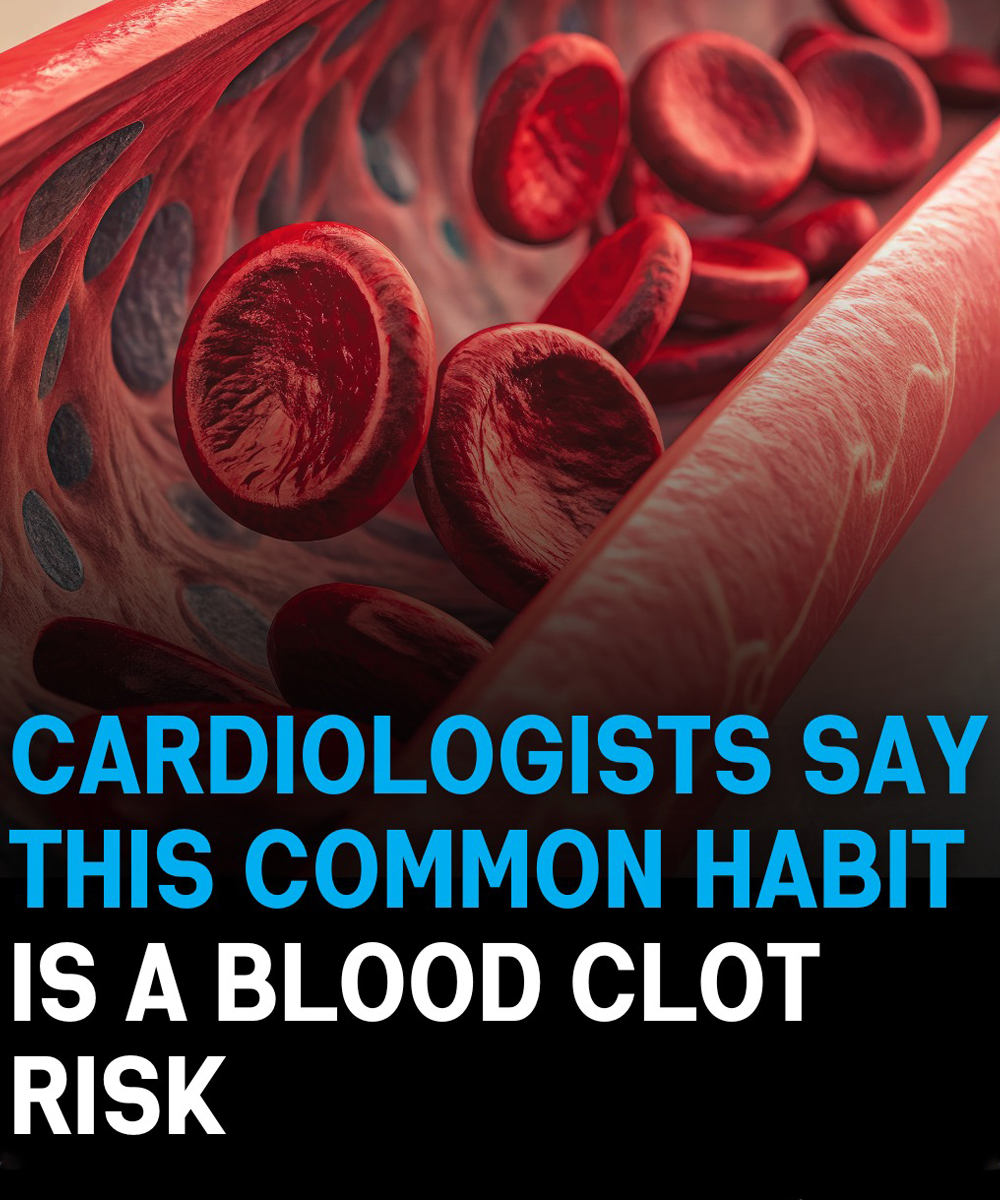
Cardiologists Say This Common Habit Is a Bl.ood Clot Risk

2. Hydrate Like a Champ
Water is not noly for quenching thirst—it keeps your blood from getting too thick. Dehydration makes your blood more viscous, which ups the risk of clots forming. Try these tips:
Aim to drink water consistently throughout the day.
Carry a reusable bottle to remind yourself to sip.
Avoid too much caffeine or alcohol, which can dehydrate you.
3. Understand Your Personal Risk Factors
Everyone’s clotting risk is different. You’re more vulnerable if you:
Have a family history of blood clots
Smoke or recently quit
Are pregnant or just had a baby
Have been hospitalized recently
Take some medications
Have chronic illnesses like diabetes or high blood pressure
Knowing your risk level can help you and your doctor create a plan to stay safe.
4. Wear Compression Socks (If Recommended)
These are not only for older adults. Compression stockings gently squeeze your legs, promoting better blood flow and reducing the risk of clot formation—especially during long travel or post-surgery recovery. Ask your doctor if they’re right for you.
5. Stay at a Healthy Weight
Excess weight, especially around the abdomen, puts extra pressure on your veins and slows circulation. Even modest weight loss can significantly reduce your clot risk and improve heart health overall.
6. See Your Doctor for Screening and Prevention
If you’ve had a clot before, or if your doctor thinks you’re at high risk, you may be advised to take blood thinners—medications that help prevent clots. These aren’t for everyone, and they come with their own risks, so always follow professional guidance.
In some cases, non-invasive tests like ultrasounds can help detect a clot early—before it causes harm. So if you have symptoms or concerns, speak up.
For Complete Cooking STEPS Please Head On Over To Next Page Or Open button (>) and don’t forget to SHARE with your Facebook friends.