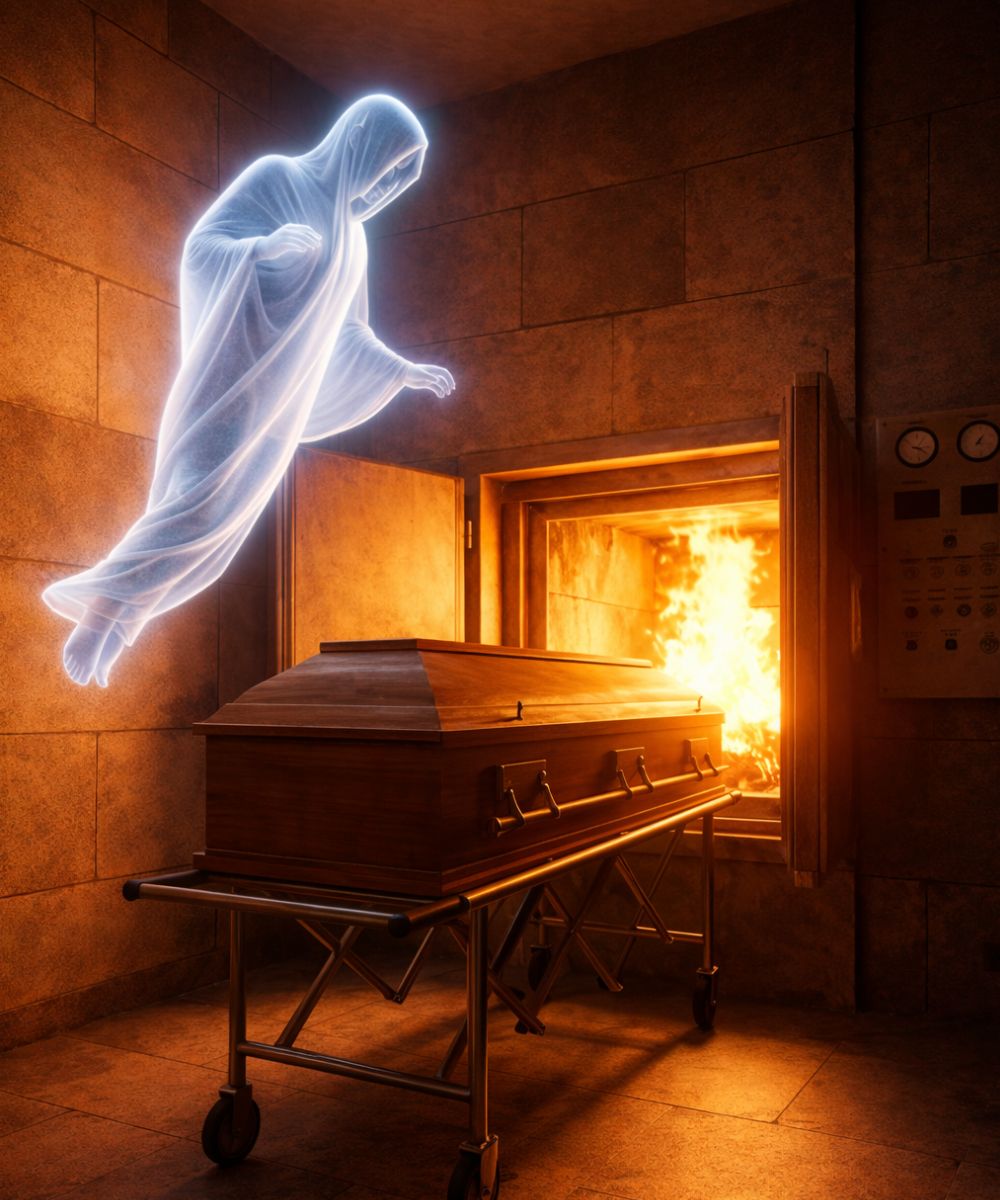
Few topics invite such quiet reflection as what comes after death—and how the body should be honored at life’s end. As cremation becomes increasingly common for cultural, personal, and practical reasons, many people of faith find themselves pausing to ask deeper questions. Does this choice carry spiritual weight? Does it conflict with belief?
For most, the concern is not about the physical process itself, but about what the decision represents. For generations shaped by tradition, conversations about cremation naturally open into broader reflections on Scripture, symbolism, and the enduring hope that anchors faith beyond this life.
The Bible does not issue a direct command regarding cremation. Yet throughout Scripture, burial appears as the customary and familiar practice. From the patriarchs of the Old Testament to the burial of Jesus Himself, laying the body in the earth is consistently portrayed as an act of honor, reverence, and expectation.
Many believers have understood burial as a visible expression of faith in the resurrection—the conviction that death is not an ending, but a pause before renewal. Biblical imagery of returning to dust has long reinforced this understanding, linking the physical body to spiritual hope and future restoration.
At the same time, Scripture affirms a deeper and unchanging truth: God’s power is not limited by physical conditions. History bears witness to countless faithful individuals whose bodies were lost to fire, sea, or tragedy—yet their hope in resurrection was never diminished.
For Complete Cooking STEPS Please Head On Over To Next Page Or Open button (>) and don’t forget to SHARE with your Facebook friends.
For Complete Cooking STEPS Please Head On Over To Next Page Or Open button (>) and don’t forget to SHARE with your Facebook friends.