When a Slug Visits Your Home, It Means More Than You Think

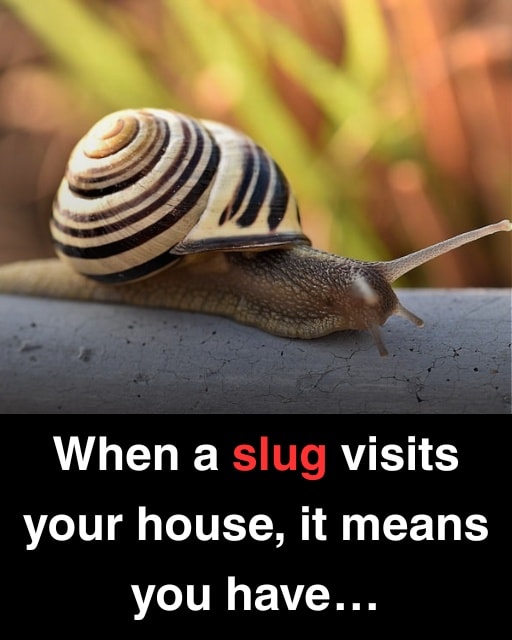
Their simple nervous systems have become valuable models in neuroscience. By studying how slugs learn, store memories, and react to stimuli, scientists have gained insights into the neural processes of memory and learning in humans.
Yes, that sluggish crawler you almost stepped on is part of the same scientific journey that explores Alzheimer’s, memory loss, and cognitive function.
So Why Are Slugs Coming Into Your House?
If slugs keep slipping into your home, don’t dismiss it as coincidence. Your environment might be inviting them in — unintentionally.
🔹 Moisture: Slugs thrive in dampness. Leaky pipes, basements, and standing water offer them ideal hydration.
🔹 Vegetation: Gardens, potted plants, and even compost bins are a buffet for these herbivores.
🔹 Shelter: Slugs flee from heat and light. They seek out clutter, dark corners, and forgotten spaces for refuge.
🔹 Temperature: On chilly nights, your warm home can be a tempting escape from the cold.
Consider it a gentle nudge: your home might need better drainage, less clutter, or simply a little observation.
The Bigger Picture
Slugs may not be cute. They don’t hum, glow, or dance like bees or fireflies. They’re not majestic like eagles or mysterious like foxes.
But they matter.
They’re caretakers of the soil. Messengers of moisture. Providers of scientific knowledge and healing potential. They may enter your home by accident — or perhaps as a quiet reminder of nature’s complexity and balance.
So next time a slug slinks across your floor or your garden path, resist the urge to recoil.
Maybe, just maybe…
It’s not a pest.
It’s a visitor with purpose.
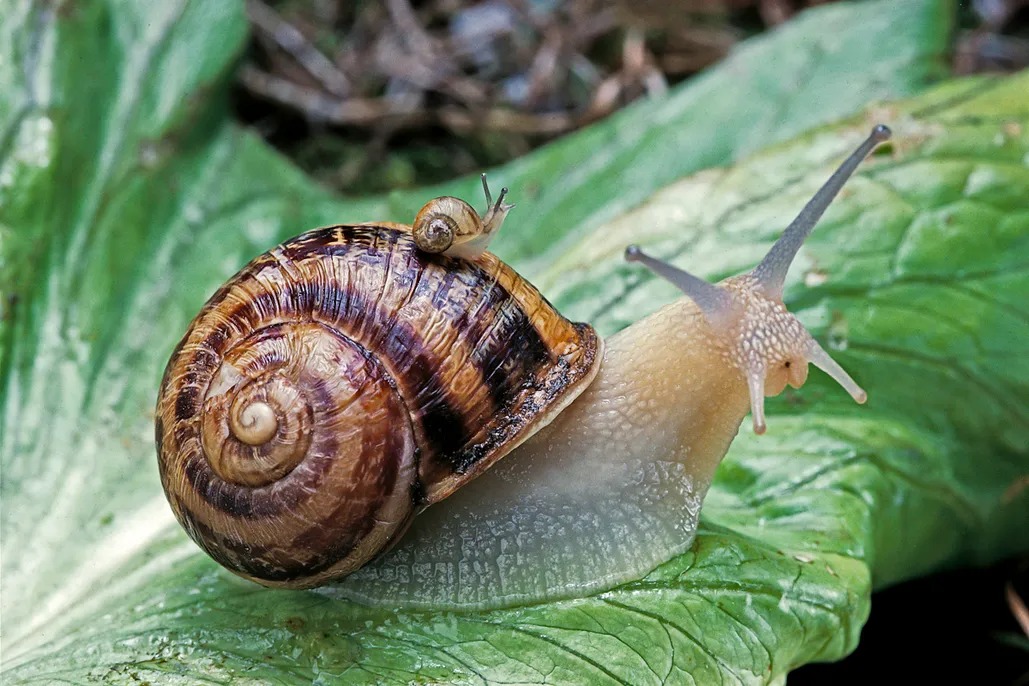
Moral of the story:
Even the most overlooked creatures carry wisdom and worth. In a world of noise, the quietest beings often have the most to teach us.
For Complete Cooking STEPS Please Head On Over To Next Page Or Open button (>) and don’t forget to SHARE with your Facebook friends.