When You Should See a Dermatologist for White Pimples

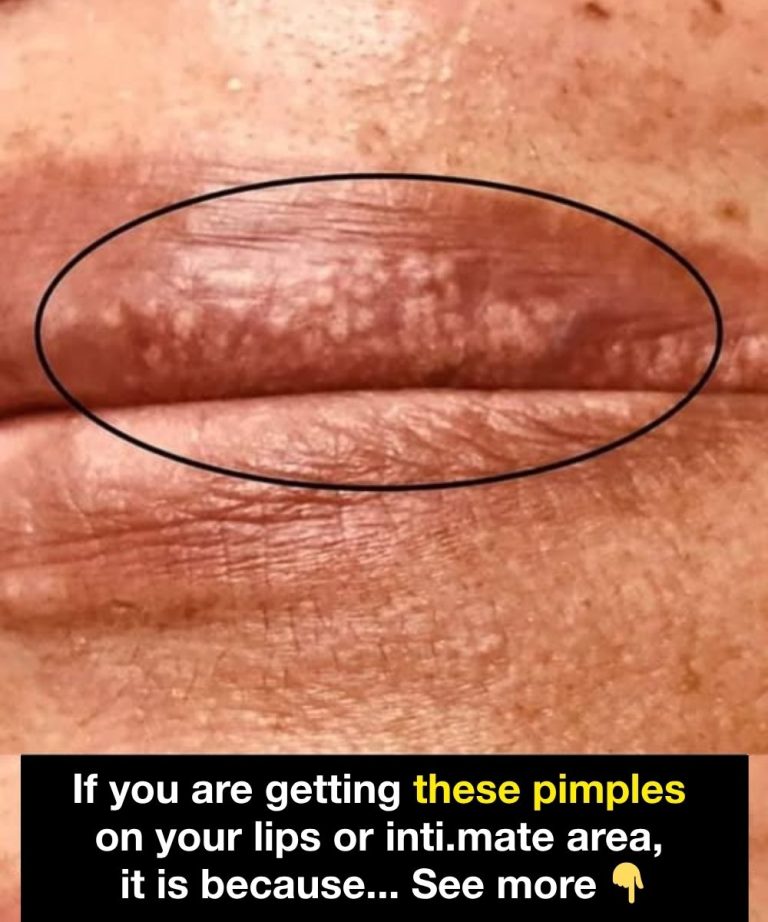

Occasional white pimples are normal, especially during hormonal changes or stressful times. However, if you spot your breakouts are spreading quickly, becoming more inflamed, or transforming into painful cysts, that’s a red flag. These could be signs of moderate to severe acne, which may cause scarring if not treated properly. A dermatologist can provide oral antibiotics, hormonal therapy, or professional treatments such as chemical peels and laser therapy to control the condition.
Even small white pimples can leave post-inflammatory hyperpigmentation such as dark marks that take months to fade. If your acne tends to leave scars, pits, or discoloration, don’t wait. The sooner you get expert help, the better your chances of preventing permanent damage. Dermatologists provide safe, proven procedures such as microneedling, microdermabrasion, or topical brightening agents that improve skin texture and tone.
White pimples that are red, swollen, or painful to touch could be infected or inflamed. Trying to pop or squeeze them at home may make things worse, spreading bacteria and causing deeper scars. If you experience pain, pus, or persistent redness, schedule a dermatology appointment immediately. Your doctor can drain large pimples safely and prescribe topical or oral antibiotics to stop infection.
Acne doesn’t only harm your skin and it can also impact your self-esteem. Many people feel anxious, embarrassed, or even depressed due to persistent breakouts. If you find yourself avoiding social situations or feeling unhappy with your appearance, that’s also a valid reason to find professional help. Dermatologists understand the emotional toll of acne and can design treatments that restore both your skin and your confidence.

Sometimes, white pimples can be triggered by underlying conditions such as hormonal imbalance, polycystic ovary syndrome (PCOS), or medication side effects. A dermatologist can help identify whether your acne is connected to internal factors and refer you for appropriate medical testing or hormonal management.
see more on the next page
For Complete Cooking STEPS Please Head On Over To Next Page Or Open button (>) and don’t forget to SHARE with your Facebook friends.